Why Connection Matters More with Age
As lifestyles shift in retirement, opportunities for social interaction may become less frequent. It’s not uncommon for older adults to experience a decline in daily connection, especially after the loss of a spouse or a move away from long-time friends. This decrease in engagement can lead to feelings of loneliness, isolation, and even depression. Studies have shown that social isolation is associated with higher risks of cognitive decline, anxiety, and poor physical health. Senior social engagement plays a critical role in combatting those risks by helping individuals feel seen, valued, and involved. Relationships offer a sense of purpose and belonging—two things that deeply impact how we feel and function each day.How Social Engagement Supports Mental Health
Mental well-being is closely tied to human interaction. Whether through casual conversation or planned group activities, social connection stimulates the brain and fosters emotional resilience. Benefits of consistent senior social engagement include:- Improved mood and reduced feelings of loneliness
- Lower risk of depression and anxiety
- Better memory retention and cognitive stimulation
- Higher self-esteem and sense of purpose
- Increased motivation to stay physically and mentally active
What Social Engagement Looks Like in a Senior Living Community
In a setting like senior living in San Antonio, social opportunities aren’t occasional—they’re an integral part of everyday life. Residents have the freedom to choose from a wide range of activities, events, and outings that fit their interests, comfort level, and personality. Some of the most popular ways residents stay connected include:- Group fitness classes and wellness programs
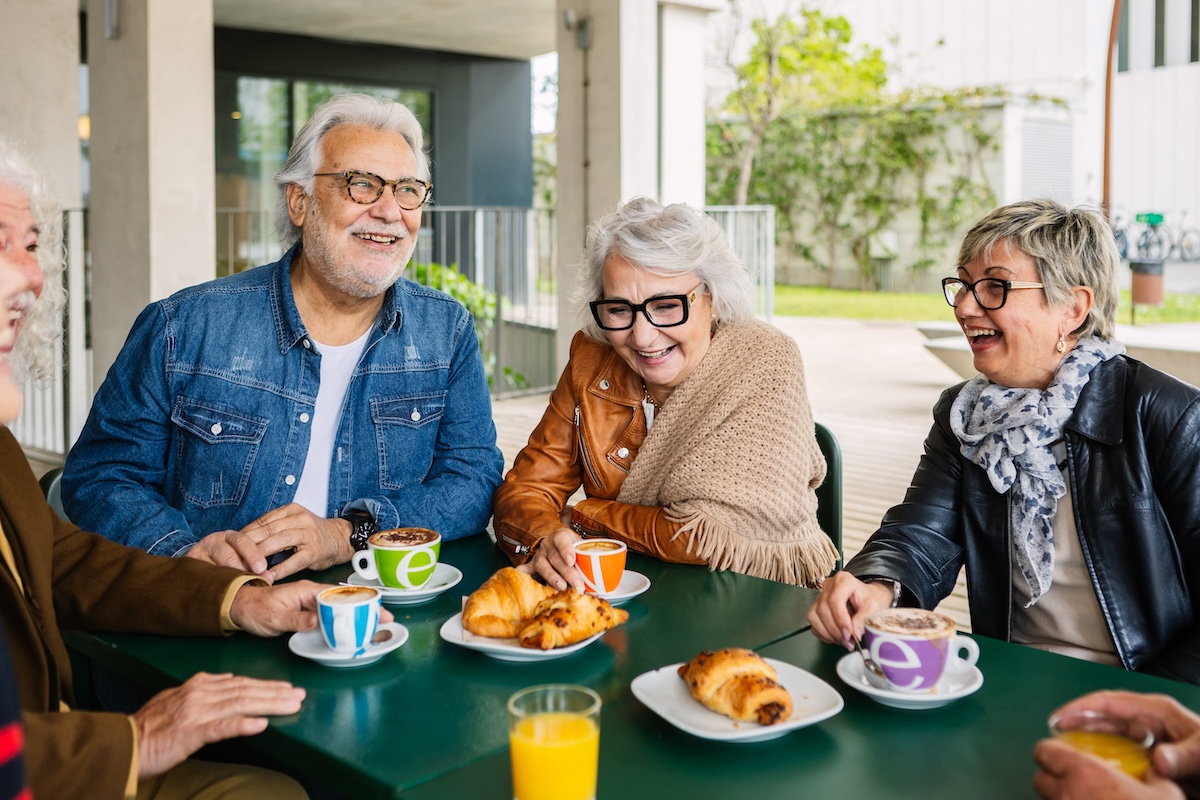
- Coffee hours, happy hours, and themed dinners
- Creative workshops like painting, music, or crafting
- Group games, trivia nights, and book clubs
- Seasonal events, live entertainment, and excursions